My top tips for photographing your sales horse
First impressions are everything. In today’s day and age of social media and the internet, your first impression is based hugely on the media that you present. Professional quality, eye catching, and flattering imagery can make the difference in your horse selling within the first week, or continuing to add to your hay bill every month.
A flattering headshot
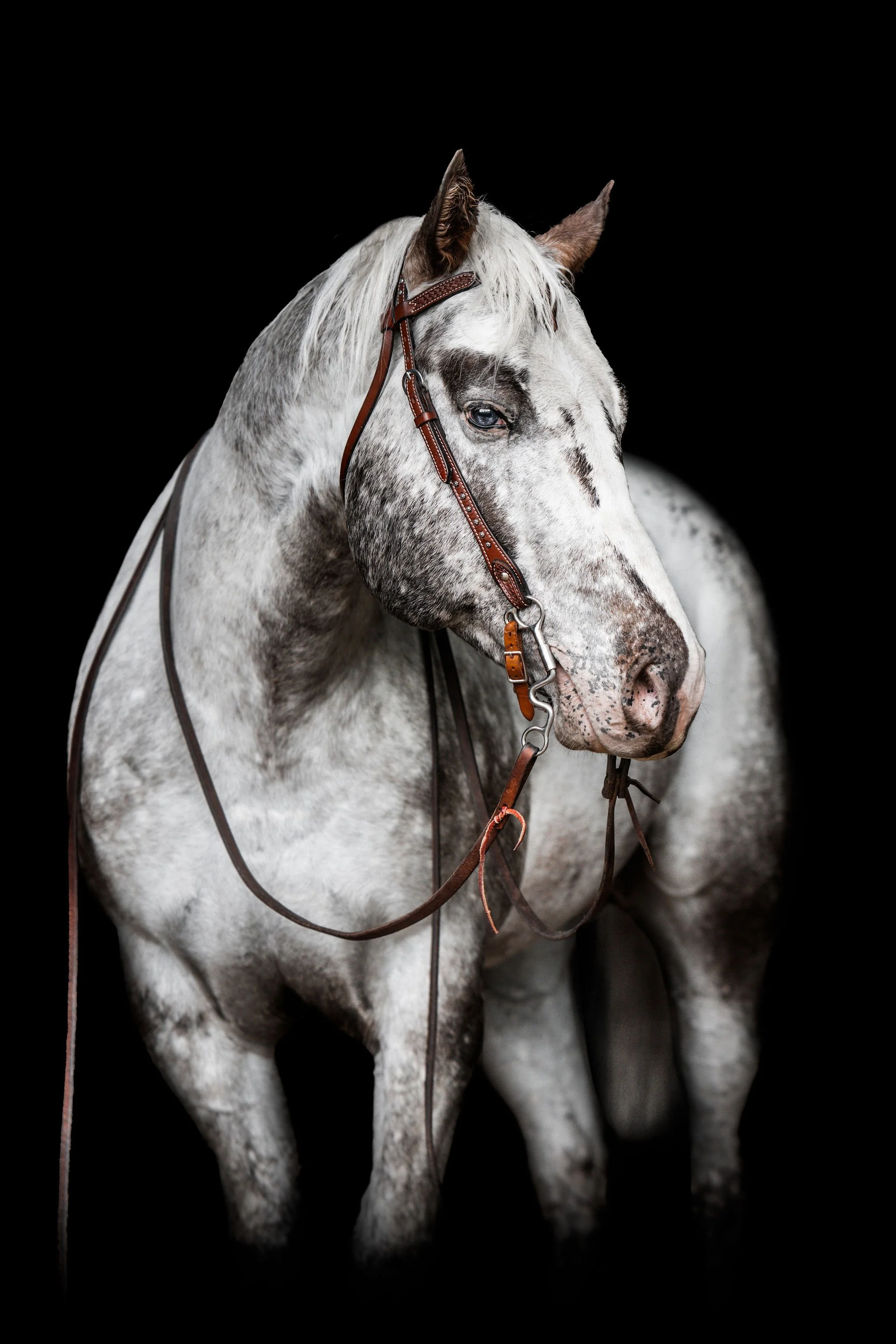
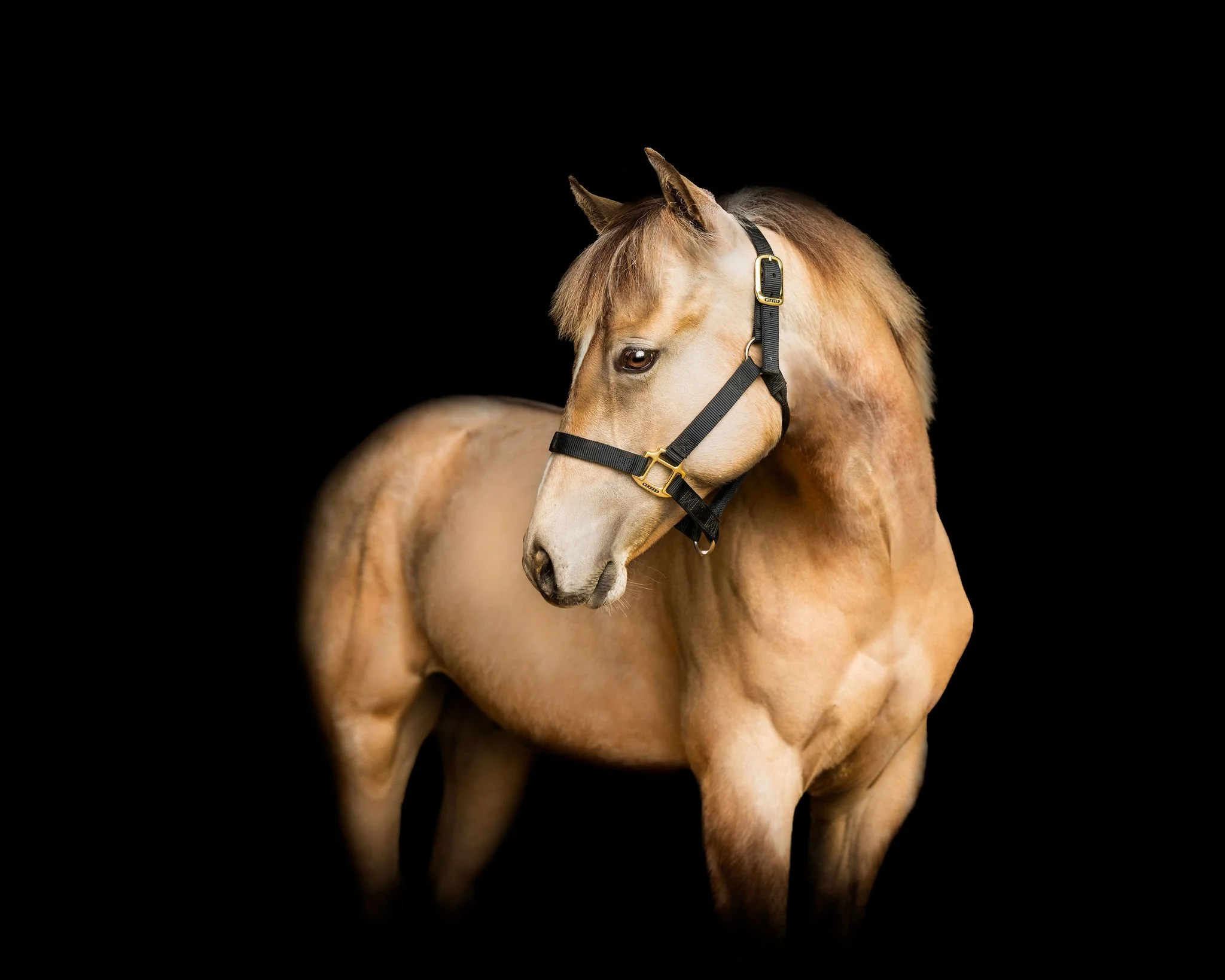
The reality is, buying a horse is as much an emotional decision as it is a rational one. An eye catching headshot, that stops their scrolling and makes them think “Wow, that is a beautiful horse” is the first step in captivating their heart and attention. The photo that is presented first of your horse should show off their head, a soft expression, and a kind eye. This will draw buyers, which is the first battle in the saturated horse market.
2. Well set up confirmation shot
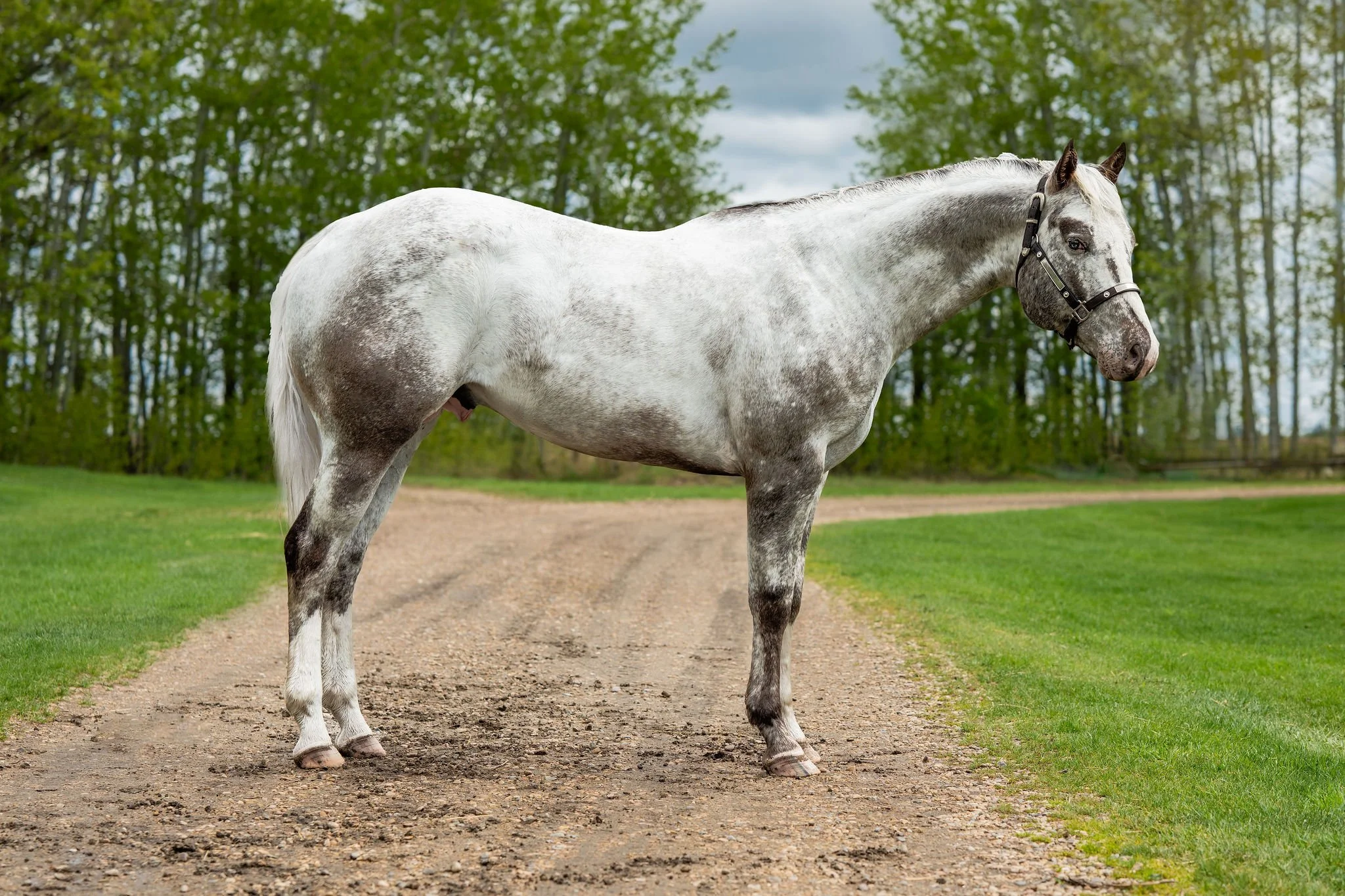
A top notch confirmation shot is a must have when selling a horse. And it’s not as simple as it sounds.
Stand at the shoulder of the horse, facing them head on
Keep the background clear. Try and remove all objects that are distracting
Try to avoid having a person visible in the photo, and edit out the lead rope/reins if you are able to
Make sure you can see their feet. This is my biggest pet peeve for confirmation shots. Unless you have no other choice,
they should be standing on a hard surface with all 4 feet and legs visible
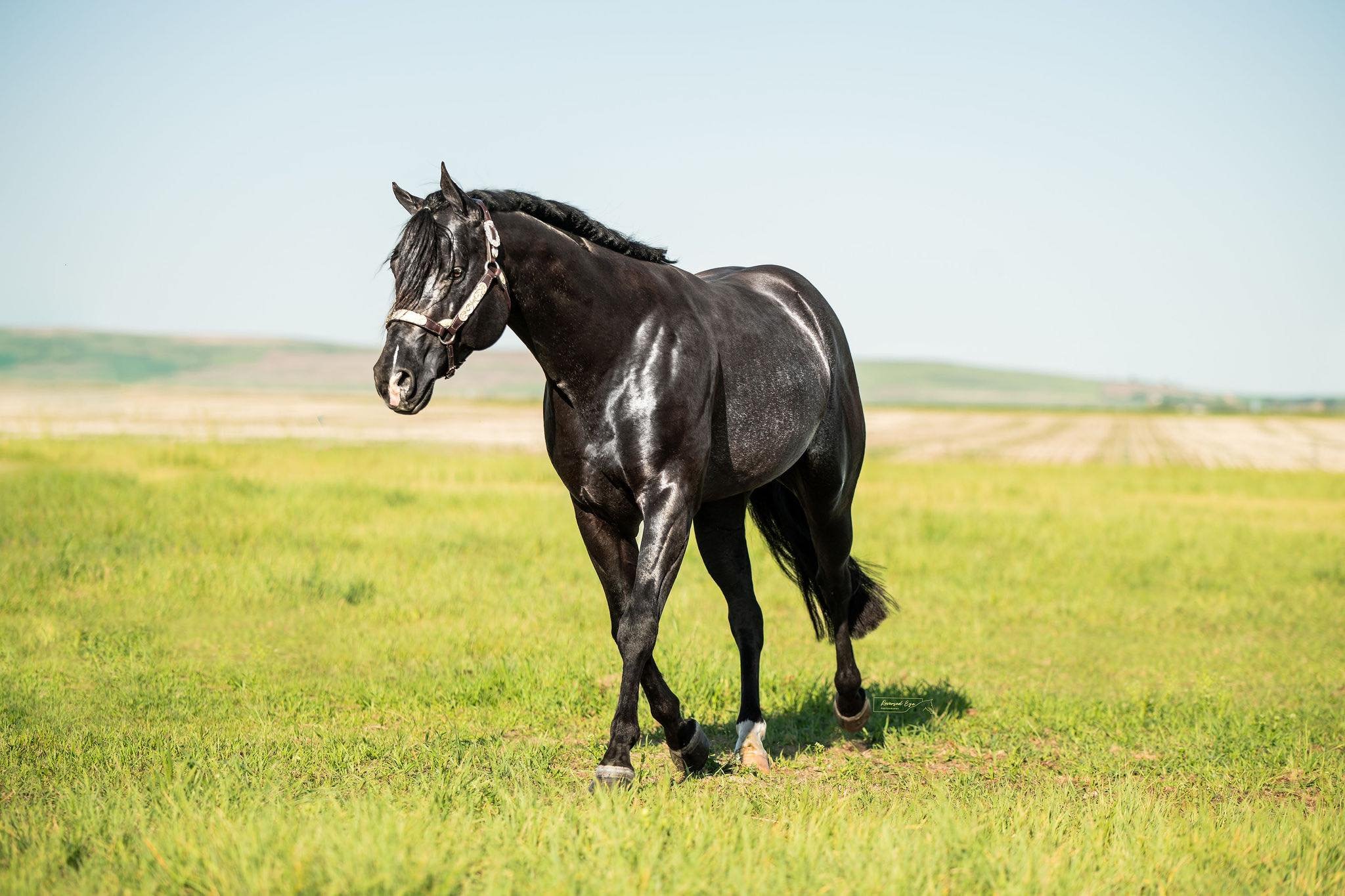
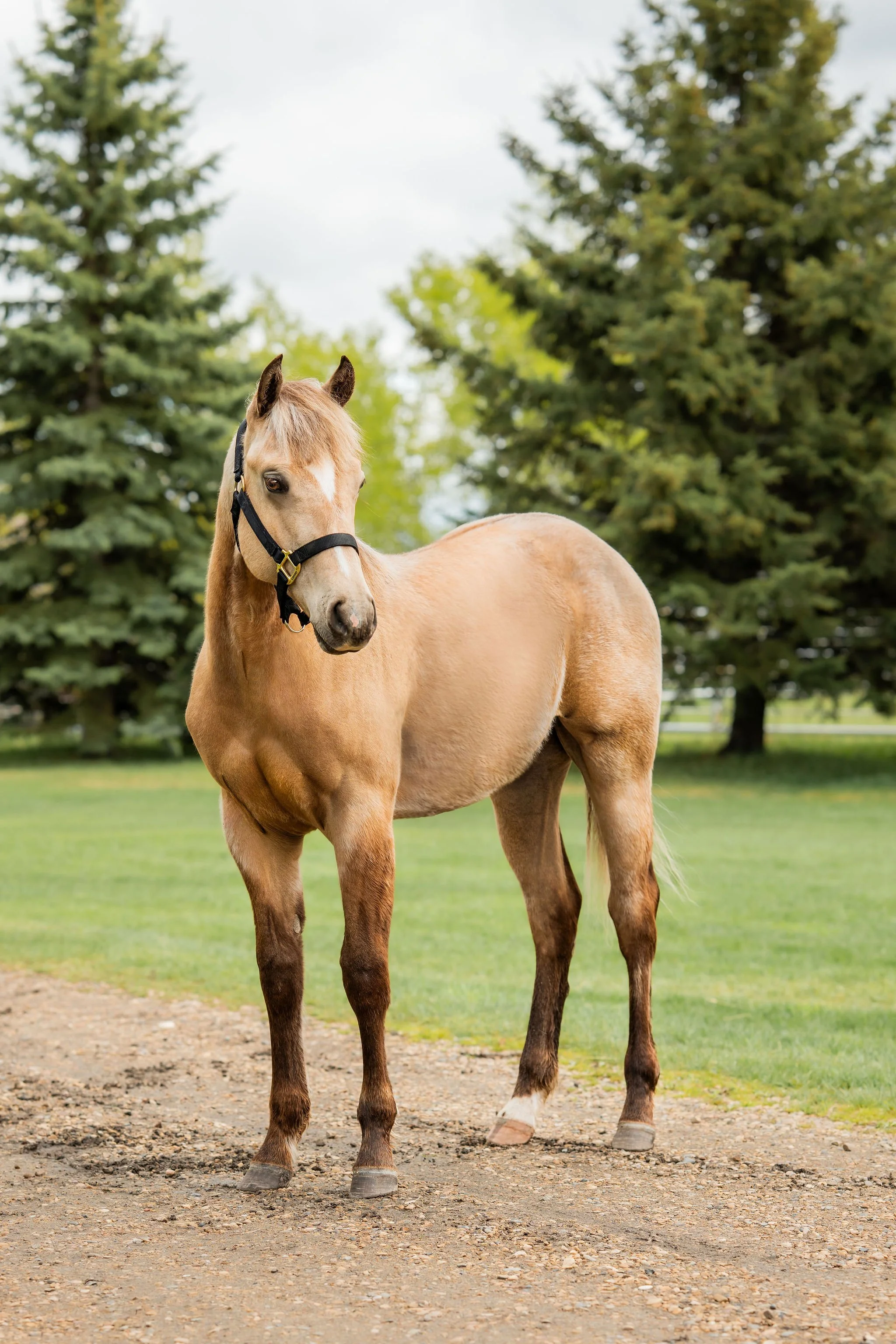
Be aware of the breed standard. Every breed has a different “ideal” confirmation shot that shows off different features. For example, the quarter horse should look relaxed and soft, as seen below, and the 3/4 angle full boy shot, as seen on the right is also a standard pose for this breed.
3. Zoom is your friend
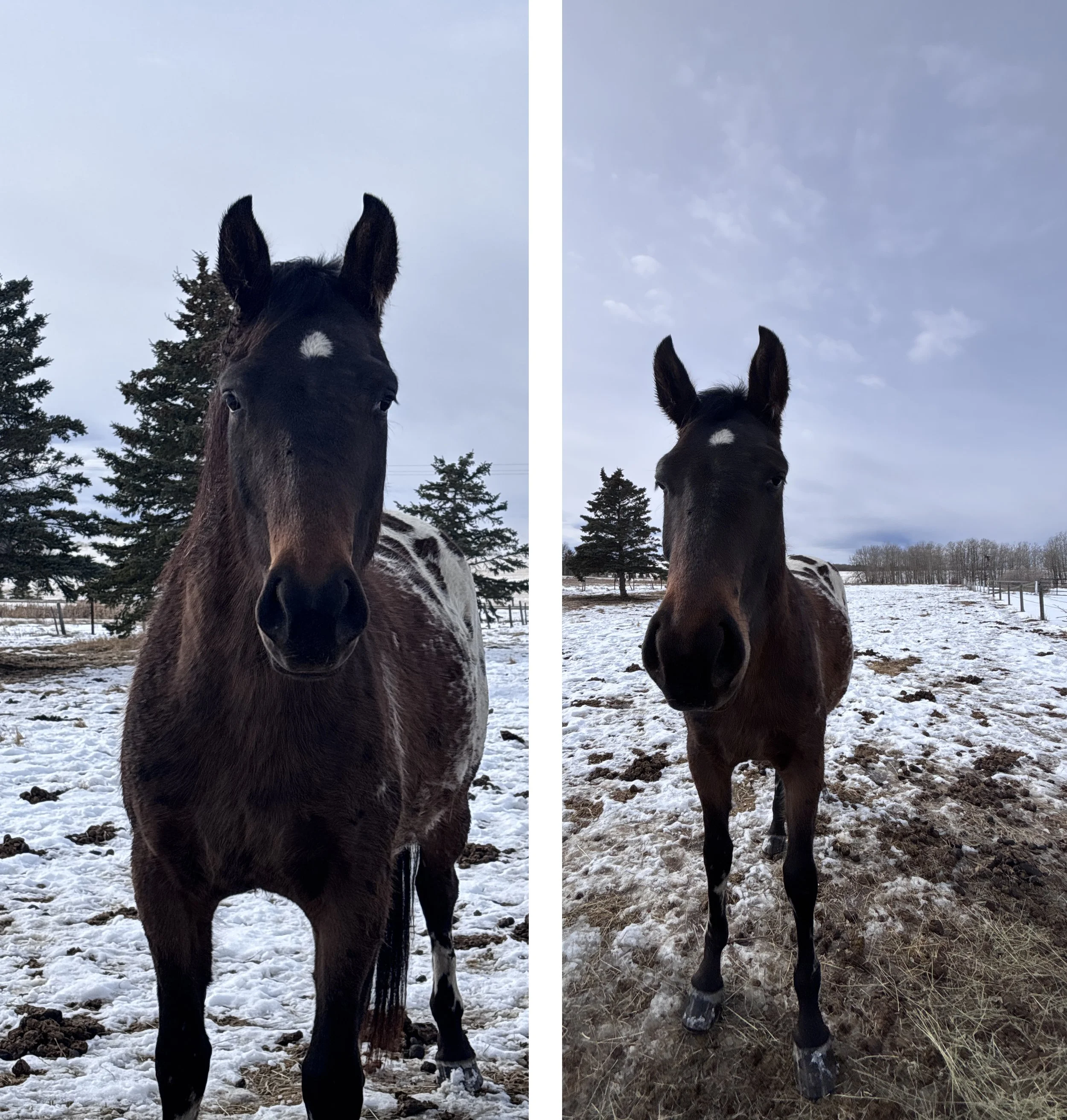
If you are using a smartphone camera to capture your horse, zooming in is crucial! Horses are actually very proportionally weird creatures and very susceptible to something called distortion. This occurs when you’re capturing them from any angle other than a straight sideways shot and with a wide angle camera (like your cell phone). Stepping further away from your horse and zooming in is an excellent way to minimize this distortion effect.
You can see below the difference between standing close to the horse at .5 zoom (right) and stepping further away from the horse at 2x zoom (left).
4. Video is best for action (unless you’re a professional)
Your smartphone or point and shoot camera will not be well equipped to capture action shots that show off your horse to the best of their abilities. Unless you are a professional photographer, video is the best medium to present your horse in motion.